
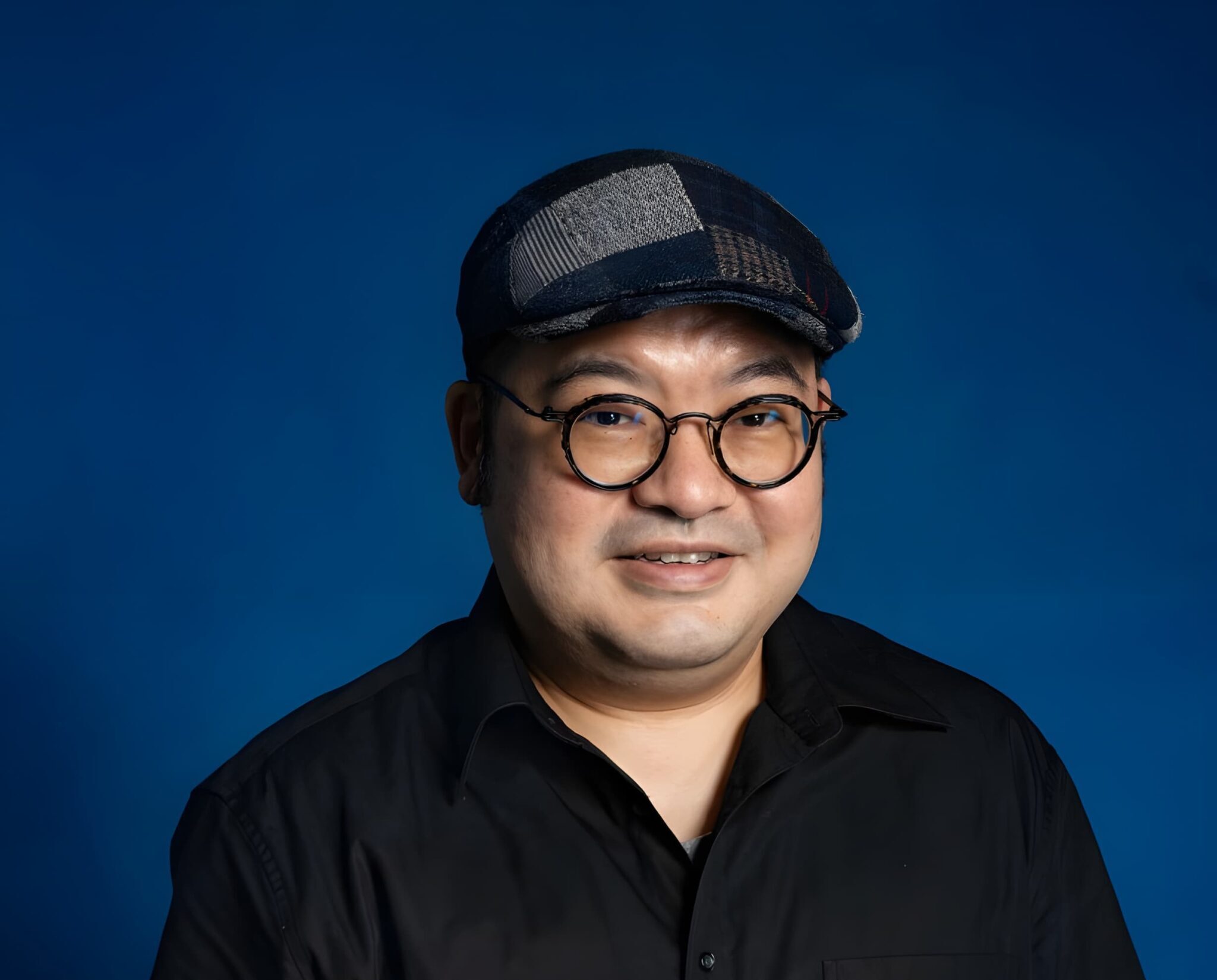
In the competitive world of fine dining and culinary entrepreneurship, few stories begin at the kitchen sink. Yet for Saree “Joe” Xongmixay, that humble starting point became the foundation of a four-decade journey that would transform Macau’s dining scene and establish Thai cuisine as a cornerstone of the city’s cultural identity.
“My career started in an unexpected place: at the kitchen sink, not the cutting board,” Joe reflects. “Washing dishes in my mother’s restaurant taught me the fundamentals of excellence before I ever picked up a knife.”
Those early lessons in his mother’s kitchen, surrounded by the aromatic steam of traditional Thai cooking, instilled values that transcend the restaurant industry. Quality begins with basics. Organization precedes innovation. Discipline enables creativity. Every role matters, from the person washing dishes to the executive team shaping strategy.
Today, Joe stands at the helm of a culinary empire that spans multiple restaurant concepts, a thriving consultancy practice, and ambitious social impact initiatives across Thailand and Macau. His flagship Pratunam Thai Restaurant has evolved from a single location introducing authentic Thai flavors to skeptical diners into an institution synonymous with culinary excellence. Through Mochii Business Consultancy Ltd., he now guides international restaurant brands entering Asian markets while simultaneously developing programs to lift underserved communities through culinary education.
This is not just a success story about restaurants or profit margins. It is a narrative about cultural preservation, community building, and the belief that food businesses can serve as vehicles for meaningful social change.
DECLARING FLAVOR WARFARE
The concept of “flavor warfare” might sound aggressive, but for Joe, it represents something far more profound than competition. It embodies a mission to change perceptions, win over skeptics, and establish authentic Thai cuisine as a respected culinary tradition on the global stage.
“When I talk about flavor warfare, I mean it as a mission,” Joe explains. “It’s not about conflict. It’s about changing minds, winning over skeptics, and earning respect for authentic Thai cuisine worldwide.”
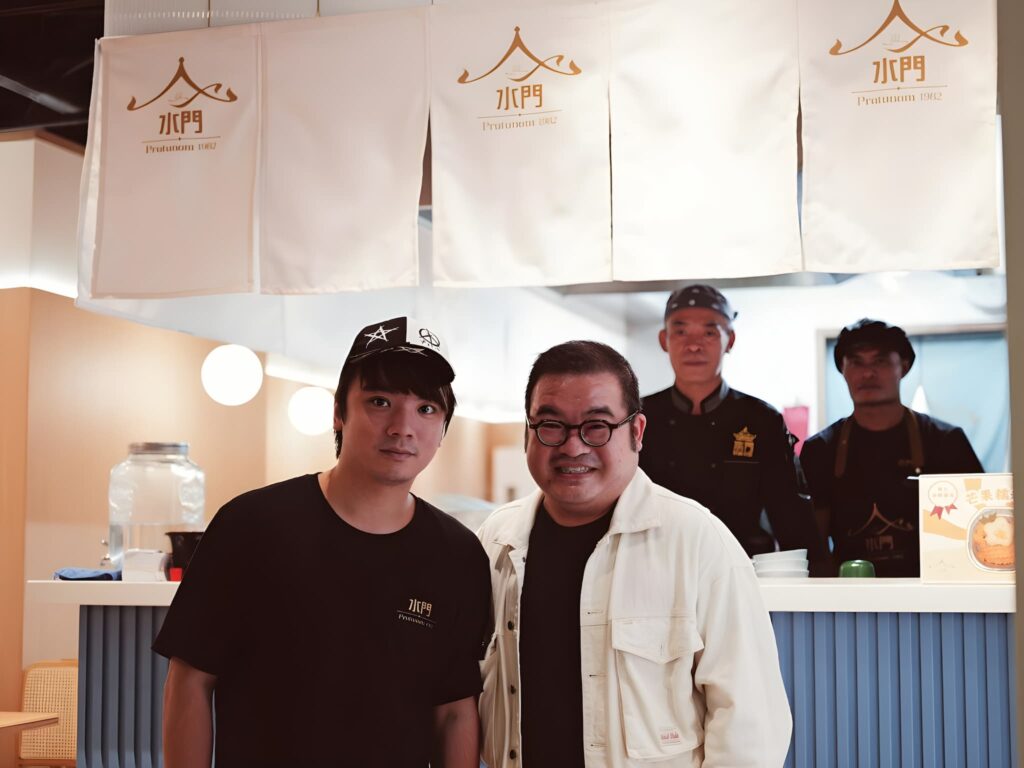
Every dish emerging from Pratunam’s kitchens serves this larger purpose. Traditional curry pastes ground by hand, aromatic broths simmered for hours, techniques preserved across generations. These elements combine with thoughtful presentation and storytelling that educates diners about the complexity, balance, and depth of genuine Thai flavors.
“We’re not just serving food,” Joe emphasizes. “We’re showing people what Thai flavors really are. A bowl of noodles might seem simple, but when done right, it creates an experience people remember and come back for.”
This philosophy distinguishes Joe’s approach from restaurants that prioritize aesthetics over substance or compromise authenticity for broader appeal. His flavor warfare wages battle not against competitors but against misconceptions, superficiality, and the dilution of culinary traditions in the name of mass marketability.
FOUR DECADES OF STRATEGIC EVOLUTION
The transformation of a family restaurant into Macau’s premier Thai dining destination unfolded across three distinct phases, each building upon lessons learned in the previous stage.
Phase One: Building Trust Through Education
When Joe’s family first introduced authentic Thai cuisine to Macau in the 1980s, they faced a fundamental challenge. Most residents had never experienced real Thai food. The family wasn’t simply operating a restaurant. They were teaching an entire city about Thai cuisine, one dish at a time, establishing credibility through consistency and quality.
Phase Two: Demonstrating Versatility
As Pratunam gained recognition, Joe made a strategic decision that confused some observers. He expanded into Vietnamese and Italian restaurants. Critics questioned whether this represented a loss of focus or dilution of the Thai brand.
“It wasn’t about abandoning Thai food,” Joe clarifies. “It showed we knew what we were doing across different cuisines, and it gave Macau diners more options.”
This diversification demonstrated culinary expertise beyond a single cuisine tradition while positioning the restaurant group as sophisticated operators capable of executing multiple concepts at high standards.
Phase Three: Creating Destination Experiences
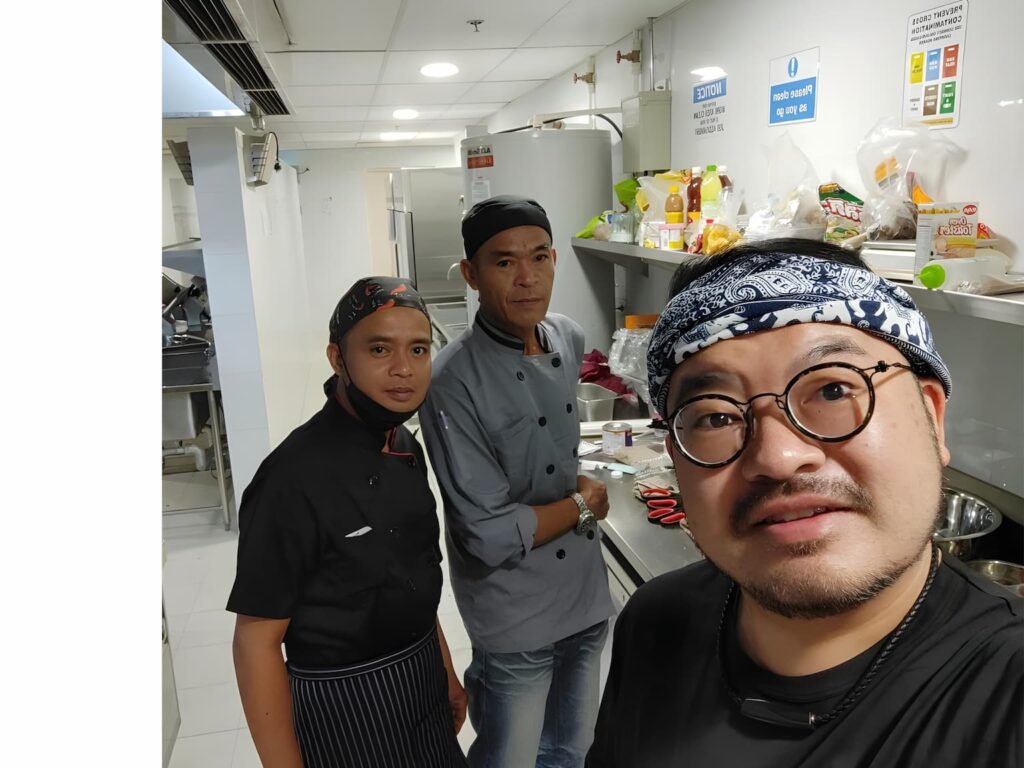
The third evolution transcended transactional dining. Joe introduced concepts like the Rooftop Bar and private kitchen experiences where the meal became secondary to the holistic experience. Dining evolved into an event, a memory, a story worth sharing.
“Instead of asking people to try Thai food, we invited them to have an experience,” Joe notes. “That’s how we went from introducing Thai cuisine to making it part of what Macau is known for.”
This progression from educator to diversified operator to experience creator reflects sophisticated understanding of market evolution and customer psychology. Each phase addressed changing market needs while maintaining the authentic foundation established four decades earlier.
THE PRIVATE KITCHEN GAMBLE THAT REDEFINED SUCCESS
In 2020, Joe made a decision that appeared to contradict conventional restaurant wisdom. At a time when most operators focused on maximizing covers and expanding capacity, he transformed Pratunam into a reservation-only private kitchen concept.
The decision reduced customer volume dramatically. It eliminated walk-in traffic. It required turning away potential revenue on busy nights. By traditional metrics, the move seemed counterproductive.
Yet this pivot fundamentally changed what Pratunam represented and how it connected with guests.
“Moving to reservation-only and intimate dining meant fewer customers, but it completely changed how we connected with the people who came,” Joe explains. “We stopped chasing numbers and started building relationships.”
The private kitchen model enabled unprecedented control over quality, personalization of service, and depth of guest interaction. Staff could learn regular guests’ preferences, dietary needs, celebration occasions. The kitchen could prepare each dish with meticulous attention rather than racing to keep pace with high-volume service.
This transformation taught Joe a lesson that now guides his entire approach to business development. “You don’t become an institution by being the biggest. You do it by mattering to people.”
Two complementary decisions cemented Pratunam’s institutional status. First, Joe deliberately narrowed the menu focus. While competitors offered extensive menus attempting to satisfy every preference, Pratunam specialized in Thai street food classics executed at the highest level. Boat noodles. Hainanese chicken rice. Dishes with deep cultural significance, prepared with obsessive attention to traditional technique.
“We wanted to be known for doing a few things really well,” Joe states simply.
This strategic focus, combined with the intimate private kitchen model, created differentiation in a crowded market. Pratunam became the destination for guests seeking authentic Thai street food elevated to fine dining standards, served in an environment that felt personal rather than commercial.
THE TREE METAPHOR: INNOVATION ROOTED IN TRADITION
Joe’s philosophy on balancing authenticity with innovation provides a masterclass in managing tension between preservation and progress. He conceptualizes this relationship through an organic metaphor that guides every menu development decision.
“I think of tradition and innovation like a tree,” Joe explains. “The roots are the fundamentals: traditional Thai flavors, techniques passed down through generations. Those don’t change. They’re what connect us to our history.”
The trunk represents core menu items, the classic dishes that define the restaurant’s identity and meet guest expectations. Innovation happens in the branches, where new plating styles, modern techniques, and cross-cultural influences can be explored and tested.
The critical requirement? Everything must grow from those roots. Any innovative dish must remain grounded in authentic Thai culinary principles. The test is straightforward and uncompromising.
“When a Thai guest tastes something we’ve innovated, they should still recognize home in it, even if we’ve presented it differently,” Joe states. “That’s the test.”
This framework prevents the common pitfall of innovation for innovation’s sake, where restaurants create dishes that generate social media attention but lack substance or connection to culinary tradition. It allows creative expression while maintaining the authenticity that built Pratunam’s reputation.
“Innovation isn’t about abandoning tradition,” Joe emphasizes. “It’s about finding new ways to express what’s always been true.”
CROSS-CULTURAL EDUCATION WITHOUT FUSION CONFUSION
Joe’s experience operating Italian and Vietnamese restaurants alongside his Thai concepts provided unexpected benefits that enhanced rather than diluted his core expertise. Working across culinary traditions became an education in different approaches to fundamental cooking principles.
Italian cuisine taught restraint and the power of quality ingredients with minimal intervention. Vietnamese cooking demonstrated alternative approaches to texture and the art of layering aromatics. These lessons didn’t get grafted onto Thai dishes in superficial fusion experiments.
“I don’t take these lessons and graft them onto Thai food,” Joe clarifies. “I use them to sharpen my skills.”
Italian simplicity might influence the plating of a Thai mango dessert, creating cleaner presentation that allows the main ingredient to shine. Vietnamese herb work might inform improved balance in a larb salad. The techniques get absorbed, the principles applied, but the cultural integrity remains intact.
“These experiences make me a better chef,” Joe reflects. “They give me more tools to highlight what makes Thai food special. I’m not changing what we do. I’m getting better at doing it.”
This distinction separates thoughtful cross-cultural learning from the confusion that often characterizes fusion cuisine. Joe extracts principles and techniques rather than copying dishes or combining incompatible elements.
FROM CHEF TO ARCHITECT: EVOLVING LEADERSHIP
The transition from working chef to business leader required fundamental shifts in how Joe conceptualized his role and measured success. The change demanded new skills while building on the foundation established in those early years washing dishes in his mother’s restaurant.
“My role has changed from chef to operator,” Joe acknowledges. “In the kitchen, leadership is hands-on. You’re fixing a seasoning, showing a cook the right knife technique, making sure the wok temperature is right. You’re focused on making one dish perfect.”
Operating multiple concepts across different locations requires a different leadership model. Joe now focuses on building systems that produce consistent quality regardless of his physical presence. He establishes standards that define what authenticity means for the organization and how people throughout the company treat each other and their craft.
His responsibilities span supply chain management, training program development, service protocol creation, and career path design for team members. The goal is creating frameworks where quality happens by design rather than depending on constant supervision.
“Leadership now means building a framework where quality happens by design, not because I’m standing over someone’s shoulder,” Joe explains.
This evolution from craftsman to architect mirrors the broader journey from single restaurant operator to culinary empire builder. The skills remain relevant but get deployed at a different scale and through different mechanisms.
THE CCTV MOMENT: WHEN LOCAL SUCCESS BECOMES NATIONAL RECOGNITION
The China Central Television feature on Pratunam marked a pivotal moment that transcended typical media coverage. For the business, national television exposure provided credibility that opened doors to partnerships and attracted customers from beyond the local market. Pratunam transformed from a well-known Macau destination to a recognized culinary landmark.
The personal significance ran deeper.
“There was something powerful about the connection between learning to cook in my mother’s restaurant in Macau and representing that tradition on national television,” Joe reflects.
The recognition crystallized a realization about evolving responsibility. Joe wasn’t simply running restaurants anymore. He had become a custodian of culinary tradition, representing not just his own business but Thai cuisine itself to audiences across China and beyond.
“The recognition made me realize I’m not just running restaurants anymore,” Joe states. “I’m responsible for preserving and representing a culinary tradition. That’s something I take seriously.”
This sense of responsibility now informs decisions about menu development, quality standards, and the messages communicated through every guest interaction. Success carries obligation. Recognition demands stewardship. These realizations shaped the next phase of Joe’s career and the ambitious initiatives he would undertake to give back.
MOCHII CONSULTANCY: DIAGNOSING THE AUTHENTICITY PROBLEM
Through Mochii Business Consultancy Ltd., Joe works with Thai restaurants attempting international expansion. His diagnostic work reveals two recurring problems that undermine authentic Thai dining experiences in foreign markets.
The first problem involves misplaced priorities. Restaurants invest heavily in Thai aesthetic elements like traditional decor and staff costumes while compromising on the flavors that define Thai cuisine. The result looks authentically Thai but tastes generic or adapted to local preferences in ways that strip away essential characteristics.
“They focus on aesthetics over substance,” Joe observes. “The result looks Thai but doesn’t taste right. It’s superficial.”
The second problem stems from attempting to be everything to everyone. Massive menus covering every regional Thai dish and attempting to satisfy every dietary preference create operational nightmares. Kitchens cannot maintain quality across dozens of dishes. Efficiency suffers. Profitability declines. The dining experience becomes mediocre across the board rather than excellent in any specific area.
Mochii’s consulting approach addresses both problems through strategic focus. Joe works with restaurant brands to identify genuine points of differentiation. Perhaps a family recipe passed through generations. A regional specialty rarely found outside specific Thai provinces. A particular technique or ingredient sourcing approach.
“We work with them to identify what makes them genuinely distinctive and build the business around that,” Joe explains. “We cut everything else.”
This ruthless focus contradicts the conventional wisdom that more menu options attract more customers. Joe’s experience proves the opposite. In competitive markets, success comes from exceptional execution in a narrow domain rather than adequate performance across a broad spectrum.
“In competitive markets, you don’t win by doing everything,” Joe states. “You win by doing one thing exceptionally well and being known for it.”
BUILDING MARKET ENTRY FRAMEWORKS
Through Mochii Business Consultancy, Joe is developing a model to bring international restaurant brands to Macau under the government’s “First-Ever Store Economic Plan,” managing the entire market entry process from policy applications and government liaison to site selection, design, and operational launch.
This approach benefits multiple stakeholders. International brands see Macau as a viable restaurant market, not just a casino destination. Local workers gain access to management and specialized roles beyond basic service positions. The broader industry benefits from exposure to international operational standards.
“This creates a model we can use to bring other restaurant brands to Macau,” Joe says.
The project supports the Macau SAR Government’s goals for economic diversification and strengthening the city’s dining reputation. Joe’s work shows how private sector operators can help achieve policy objectives while building business opportunities.
THE THAILAND ACADEMY: SELF-SUFFICIENCY THROUGH SKILL FROM THAI KING BHUMIBOL ADULYADE
While the Macau initiatives focus on industry development and market growth, Joe’s Thailand project addresses a different challenge rooted in social impact. The planned Culinary Self-Sufficiency Academy represents a practical response to talent and opportunity gaps in rural Thai communities.
The initiative honors the legacy of His Majesty the late King Bhumibol Adulyadej the Great (King Rama IX) and his “Sufficiency Economy” philosophy, which emphasizes self-reliance through practical skills and sustainable living. Following this principle, Joe approaches the academy as an investment rather than charity—developing skilled professionals who can support themselves while advancing Thai culinary traditions.
“There’s talent in rural areas, but many young people have no clear career path,” Joe observes. “Some lack formal education or funding. Others have made mistakes early in life. They have potential, but no way to develop it into a profession.”
The academy partnership with a local school converts the student canteen into a fully operational, revenue-generating training restaurant. Participants receive wages while training under experienced chefs in a curriculum covering traditional Thai cooking techniques, modern kitchen management, ingredient cultivation, menu planning, and cost control.
“The model is straightforward: participants get paid to learn,” Joe explains.
The program aims to produce not just cooks but entrepreneurs and industry professionals capable of running their own businesses or advancing in established restaurants. Success means changing life trajectories and providing tools for economic self-sufficiency.
“If we can change the trajectory for even a few people and give them the tools to support themselves, that’s worthwhile,” Joe reflects.
This initiative demonstrates how culinary businesses can address social needs through their core competencies. Joe isn’t attempting to solve problems outside his expertise. He’s applying restaurant operations knowledge to workforce development in a way that creates sustainable impact.
THE THREE CRITERIA FOR CONCEPT SUCCESS
After launching more than ten restaurant concepts across different cuisines and service models, Joe has distilled his decision-making framework to three essential criteria that determine whether new concepts succeed or fail.
First: Genuine Market Need and Compelling Story
Does the concept address real demand rather than imagined opportunity? Does it have substance beyond financial projections? Concepts need narrative depth and authentic connection to market needs.
Second: Consistent Execution Capability
Can the organization deliver the promised experience reliably as it scales? Many concepts work brilliantly as single locations but fall apart during expansion when systems prove inadequate or quality control breaks down.
Third: Team Belief and Commitment
Do the people building and running the concept genuinely believe in it? Without authentic buy-in throughout the organization, even well-designed concepts fail during execution.
“When these three things align, that’s when concepts succeed,” Joe states. “Restaurants run on conviction. Everyone involved has to believe in what you’re doing.”
This framework prevents the common trap of chasing trends or copying competitor concepts without understanding whether the organization possesses the capabilities and commitment required for successful execution. It ensures strategic decisions get made based on genuine competitive advantages rather than wishful thinking.
LEADERSHIP WISDOM FOR THE NEXT GENERATION
Joe’s advice to emerging culinary professionals reflects the lessons learned across four decades from washing dishes to building an international consultancy practice. Four principles guide his mentorship approach.
First: Treat Early Career as Investment
Seek kitchens and mentors who will challenge and teach, even if compensation is modest. The skills developed early determine what becomes possible later. Short-term financial sacrifice for long-term skill development represents the best investment young professionals can make.
Second: Master Fundamentals
Technical foundation precedes meaningful innovation. Attempting to create without solid basics produces superficial results that lack substance. “You can’t innovate or create anything meaningful without a solid technical foundation,” Joe emphasizes.
Third: Develop Unique Perspective
Once fundamentals are mastered, identify what you bring that nobody else offers. Personal perspective and distinctive approach create differentiation in competitive markets. “Figure out what you bring that nobody else does,” Joe advises. “That’s what will set you apart.”
Fourth: Build Others’ Success
Individual legacy matters less than the opportunities created for others. Mentor emerging talent. Build strong teams. Share knowledge generously. “Your legacy isn’t about how many dishes you’ve made or awards you’ve won,” Joe reflects. “It’s about the opportunities you create for the people around you.”
This final principle circles back to those early lessons learned washing dishes. Excellence emerges from respecting every role and recognizing how all parts contribute to the whole. Leadership means enabling others’ success rather than monopolizing credit or opportunities.
“This industry is about service,” Joe concludes. “Service to your craft, your culture, and the people you work with.”
2026: DUAL MARKET STRATEGY WITH SINGULAR PURPOSE
Joe’s 2026 strategy operates simultaneously across Thailand and Macau with different tactical approaches but unified strategic purpose. Both initiatives address market-specific needs while embodying the core belief that food businesses can strengthen communities.
In Thailand, the focus centers on workforce development through the Culinary Self-Sufficiency Academy. The initiative provides career pathways for underserved populations while preserving traditional culinary techniques and expanding the talent pool available to Thai restaurants globally.
In Macau, the strategy emphasizes industry development through Mochii Business Consultancy. The consultancy’s government partnerships and ongoing work aim to raise professional standards, create better career opportunities, and position Macau as a premier culinary destination.
“In 2026, we’re focused on two things: in Thailand, developing people who can support themselves. In Macau, building systems that raise industry standards,” Joe summarizes. “Both reflect the same belief that food businesses can strengthen communities.”
This dual market approach demonstrates sophisticated understanding of how to deploy resources for maximum impact. Rather than spreading efforts thinly across numerous initiatives, Joe concentrates on deep intervention in two markets where his expertise and relationships enable meaningful change.
THE PRATUNAM 1982 PROJECT: CIRCLING BACK TO ROOTS
As Thai cuisine gains global recognition and diners become increasingly sophisticated about regional variations and sourcing transparency, Pratunam is launching the “Pratunam 1982” project. The initiative represents a deliberate return to origins and a response to evolving market expectations.
“The market for Thai food is changing,” Joe observes. “Diners aren’t satisfied with generic Thai cuisine anymore. They want specifics: which region a dish comes from, what ingredients we use, who’s cooking it.”
The project emphasizes heritage, regional authenticity, and transparency about sourcing and preparation. It acknowledges that the same evolution that transformed Pratunam from educator to institution now requires deeper storytelling about culinary origins and cultural significance.
This move demonstrates the cyclical nature of market evolution. After decades spent educating Macau diners about Thai cuisine generally, the market now demands more granular information about regional variations and traditional techniques. Success requires returning to roots with renewed focus on the stories and traditions that sparked the journey four decades ago.
DEFINING SUCCESS BEYOND PROFIT
For Joe, success cannot be reduced to financial metrics or operational scale. His definition encompasses multiple dimensions that reflect values developed washing dishes in his mother’s restaurant.
Professional success means delivering genuine value to clients and leaving them in better condition than before the engagement. It requires enjoying collaborative relationships with the people involved in the work. It demands continuous learning regardless of expertise level or career stage. It necessitates maintaining appropriate commercial terms that allow sustainable operations.
“I would define success as follows: I have done a good job for the client, they are in a better place after I have left and they are happy with my work,” Joe explains.
This client-centric definition prioritizes outcomes over processes and relationships over transactions. It acknowledges that consulting expertise doesn’t preclude learning opportunities. “While as a consultant you are supposed to bring something extra to a client site, there is always the opportunity for you to learn,” Joe notes.
The emphasis on continuous learning reflects the growth mindset that enabled evolution from dishwasher to culinary empire builder across four decades of industry transformation. Curiosity and humility about what remains to be learned prevent complacency and ensure continued relevance as markets evolve.
LEGACY OF THE FLAVOR WARRIOR
Saree “Joe” Xongmixay represents a generation of immigrant entrepreneurs who built businesses while simultaneously building bridges between cultures. His four-decade journey from his mother’s kitchen in Macau to national television recognition and international consulting demonstrates how authentic commitment to craft can create sustainable competitive advantages.
His influence extends beyond the restaurants bearing his name. Through Mochii Business Consultancy, he shapes how Thai cuisine enters new markets and helps operators avoid the authenticity pitfalls that undermine genuine cultural experiences. Through the Thailand academy initiative, he creates pathways for underserved populations while preserving traditional culinary techniques for future generations. Through government partnerships in Macau, he raises industry standards and positions the city as a serious culinary destination.
The “flavor warfare” Joe wages continues evolving. No longer fighting for basic recognition of Thai cuisine, he now battles against dilution, superficiality, and the prioritization of aesthetics over authentic flavor. His weapons remain consistent: traditional techniques, quality ingredients, rigorous training, and unwavering commitment to doing things properly even when shortcuts beckon.
“If I can walk away from a client engagement and I am comfortable that I have put my client first, then I would be a happy man,” Joe reflects.
This statement encapsulates a career dedicated to service rather than self-promotion. Success means contributing value, building community, and preserving tradition while enabling innovation. It means treating dishwashers and executive chefs with equal respect because excellence requires every role functioning properly.
As the restaurant industry continues evolving through technology adoption, changing consumer preferences, and economic uncertainty, leaders like Joe provide essential guidance on maintaining cultural authenticity while achieving business objectives. His example demonstrates that success need not compromise principles and that the most enduring businesses serve purposes beyond profit.
The future of Thai cuisine globally will be shaped by operators who understand that authentic flavor cannot be faked and that sustainable success requires deep roots before branches can spread. Joe’s career provides a roadmap for achieving this balance, proving that principled leadership grounded in respect for tradition can drive meaningful change across decades of industry evolution.
From that kitchen sink in 1982 to a culinary empire spanning restaurants, consultancies, and social impact initiatives, Joe’s journey shows what becomes possible when talent meets opportunity, when cultural pride combines with business acumen, and when success gets measured by community impact rather than merely personal achievement.
The flavor warfare continues. The mission remains clear. And the man who started by washing dishes now shapes how an entire cuisine gets represented, preserved, and celebrated across international markets.